October 1, 2026
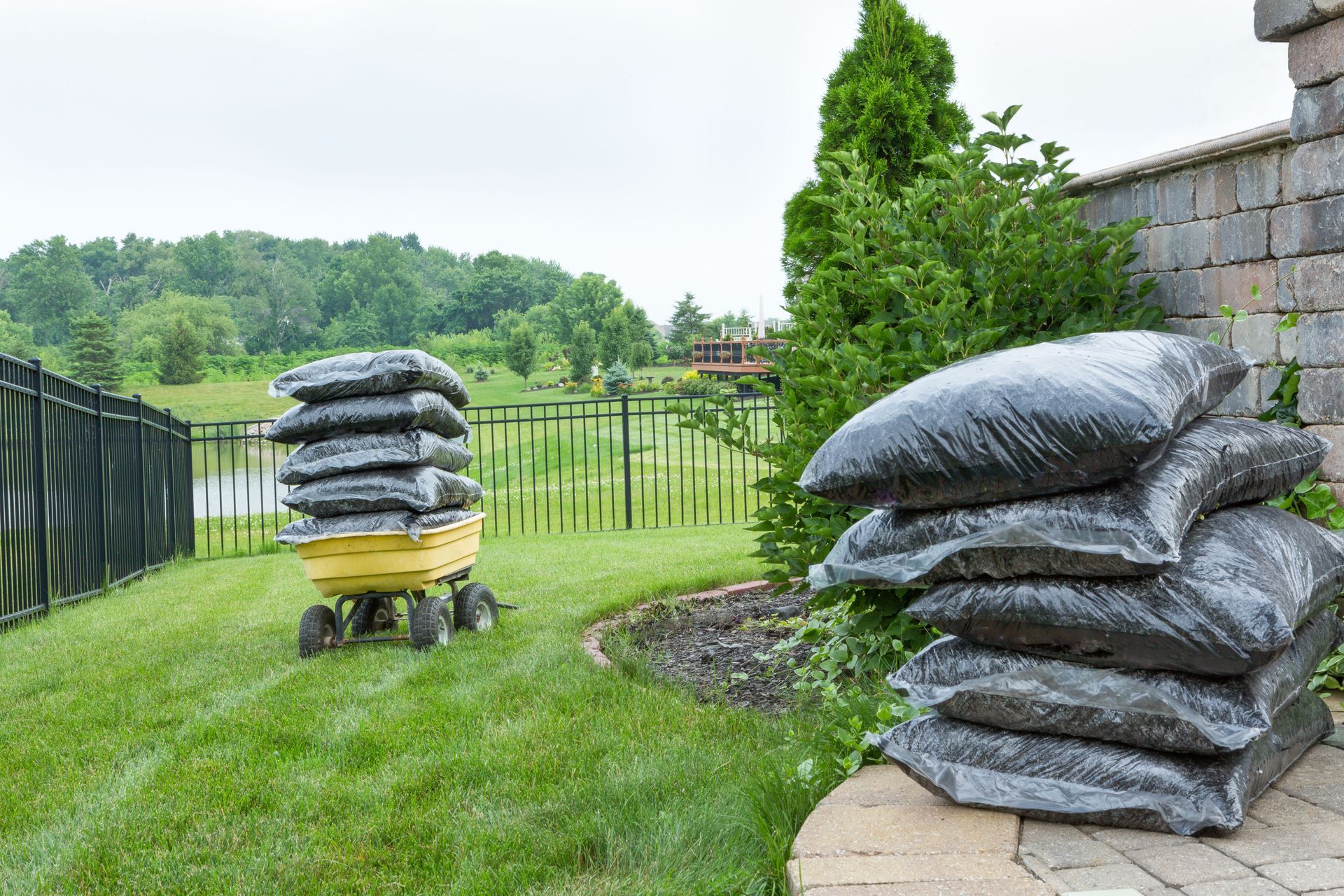
Have you ever looked at a landscaped garden and wondered what makes it cohesive? The secret often lies in the ground cover. Whether upgrading garden beds, defining a walkway, or protecting plant roots from weather, picking the right materials makes a world of difference. When planning an upgrade, comparing different mulch supplies is an essential step to ensure your outdoor spaces thrive while looking their best. Different materials offer unique advantages, from moisture retention and weed suppression to aesthetic enhancement and structural support. By researching your options, you make an informed decision that suits your specific needs. In this guide, we break down the options available for your property. We look at organic materials, stone alternatives, and specialty blends, helping you find exactly what you need to transform your yard into a stunning oasis.
Understanding the Purpose of Ground Cover
Before diving into specific types of materials for your yard, it is vital to understand why ground cover is important. Quality landscaping materials serve a functional purpose that protects the health of your soil and the plants growing within it. Applying a protective layer over your garden beds helps the soil retain moisture during hot days, which reduces the amount of watering your garden requires. This is incredibly beneficial during summer when the sun threatens to dry out fragile roots.
Additionally, a thick layer acts as a natural weed barrier. By blocking sunlight from reaching weed seeds, it prevents them from sprouting. Temperature regulation is another significant benefit; the right materials keep soil cool in summer and insulate it during colder months. When looking at various mulch supplies for your upcoming improvements, remember that you are investing in the long-term vitality of your entire landscape.
Exploring the Organic Options for Your Garden
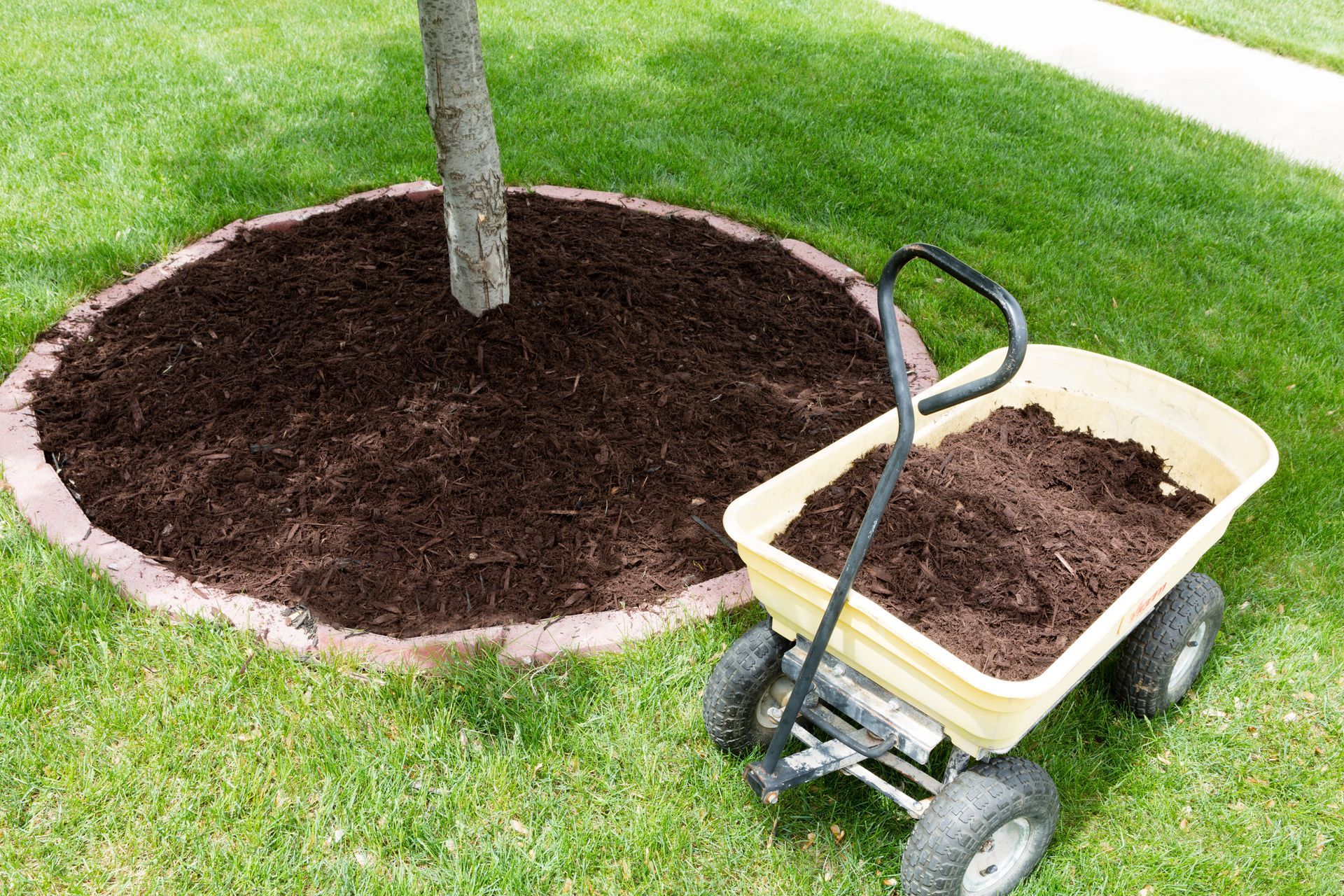
When it comes to traditional landscaping, organic materials remain popular among homeowners and contractors alike. These options are derived from natural wood and plant materials, meaning they will slowly decompose over time. As they break down, they release valuable nutrients back into the earth, improving the overall soil structure. If you are looking for classic aesthetic appeal, black mulch is a fantastic option. It provides excellent moisture retention and creates a striking visual contrast against vibrant green plants and colorful flowers.
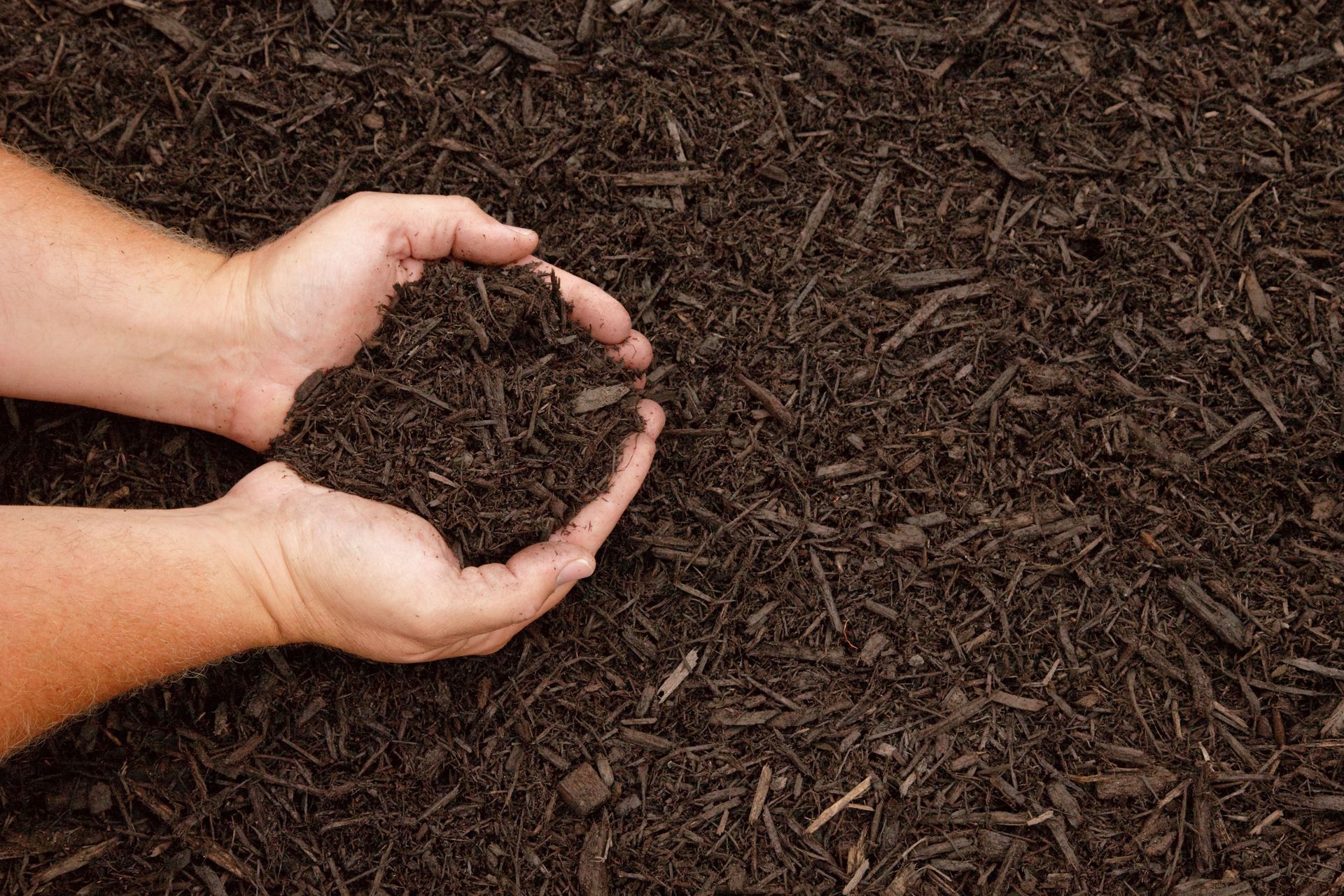
Alternatively, you might prefer the subtle look of brown mulch. This option blends seamlessly with existing landscape elements while providing essential soil protection. It is an excellent choice for vegetable gardens and traditional flower beds. For larger areas or play spaces, fresh wood chips offer an economical and practical solution. Finding the right organic mulch supplies is crucial for maintaining a healthy garden, as these materials actively improve the environment.
Analyzing the Stone Alternatives for Hardscaping
While organic materials are perfect for garden beds, some areas of your property might require something more durable. Inorganic ground covers, such as stones and shells, offer exceptional longevity and require very little maintenance once installed. For a sophisticated foundation around patios or walkways, 3/4" blue stone is an outstanding choice. This material provides natural beauty with exceptional durability, complementing contemporary and traditional landscape designs. Because it does not decompose, you will not have to worry about replacing it year after year.
If you want to bring authentic regional character to decorative borders, locally sourced 1 1/2" native stones are a wonderful addition. These naturally weathered stones blend perfectly with the New England landscape and provide structural support. For a smoother surface that looks natural, smaller 3/4" native stones are ideal. Comparing these durable mulch supplies against organic options helps you figure out which areas need permanent solutions.
Comparing the Aesthetic Impacts on Curb Appeal
The materials you decide to use will dramatically impact the curb appeal of your home. Color, texture, and scale play a role in how your landscaping is perceived. Dark organic materials like black mulch make the bright colors of your summer blooms pop, drawing the eye exactly where you want it. It gives a sharp, manicured look to the edges of your driveway and foundation plantings. Conversely, earthy tones of brown mulch create a relaxed, woodland feel that suits naturalistic garden designs.
If you want a coastal vibe for your property, Cape Cod seashells present a unique ground cover alternative. They bring a distinct, beachy aesthetic to garden borders, reflecting sunlight and brightening up shady corners. Meanwhile, the cool tones of 3/4" blue stone add a modern architectural feel. By considering how different mulch supplies look when placed next to your siding, you can create a visually cohesive exterior.
Maintaining Your Investment Over the Years
Every type of ground cover requires a different level of ongoing care to keep it looking fresh. Organic options like wood chips will fade in the sun and physically break down as seasons change. According to LawnStarter, homeowners should plan on replacing their organic ground cover every one or two years. Doing so ensures your plants continue to receive the nutrient benefits and weed suppression they need. When refreshing your beds, it is best to rake the old material to break up any crusted layers before adding a fresh topcoat.
Inorganic options require less frequent replacement, but they do have their own maintenance needs. Over time, leaves and dirt can blow into stone beds and create an environment where weeds can sprout. You will need to occasionally rake out this debris. Knowing the maintenance requirements of different mulch supplies will help you choose a material that fits your lifestyle perfectly.
Evaluating the Practical Application of Materials
Beyond standard ground covers, sometimes your yard requires specialized materials to flourish. If your soil is depleted or you are starting a brand-new garden bed, simply laying down wood chips won't be enough. Incorporating compost into your soil can transform a poor growing medium into a thriving environment for plants and vegetables. The compost enhances water retention and provides essential organic matter that promotes robust root development.
For an even more balanced foundation, a product like Gardener's Gold 50/50 mix offers a nutrient-rich blend of compost and screened loam. This mixture provides excellent drainage, optimal soil structure, and the organic content necessary to support healthy landscape growth. If leveling a large area, you might need fill dirt to create a stable base before adding topsoil. Using clean, debris-free fill dirt ensures that this underlying layer compacts well and prevents future settling. Evaluating all available mulch and foundational materials ensures you set your yard up for sustainable growth.
Tackling a yard project can feel overwhelming, but finding the perfect materials does not have to be stressful. From the moisture-retaining properties of brown mulch to the structural permanence of 1 1/2" native stones and the coastal charm of Cape Cod seashells, there is a perfect solution for every corner of your property. Remember to consider your maintenance preferences, aesthetic goals, and the functional needs of your garden beds. Materials like compost and Gardener's Gold 50/50 mix ensure your plants have the nutrients they need, while a layer of 3/4" blue stone provides a lasting foundation for your hardscaping. When you are ready to order your mulch supplies in bulk and get your landscaping project underway, you need a dependable partner who delivers honest quantities. To secure your delivery, reach out to the experienced team at RC Melville Construction LLC.